

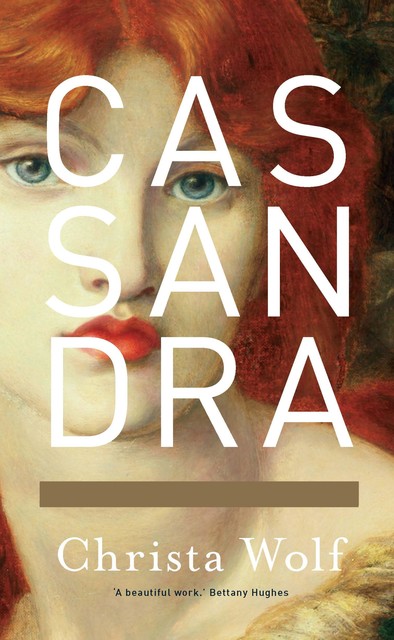

Цитати

The Homeridae, through their accounts of heroic deeds of long ago, may have united and structured the masses who listened to them, above and beyond prevailing social structures. The classical Greek dramatist helped create, by aesthetic means, the political-ethical attitude of the free, adult, male citizen of the polis. The hymns, mystery plays, and saints’ legends of the Christian medieval poet also served to promote a bond whose two terms, God and man, were both responsive. The courtly epic has a fixed set of characters to whom it relates by praising them. The early middle-class poet addresses his prince in burning protest, and at the same time addresses the prince’s subjects, stirring them to rebellion. The proletariat, the socialist movements with their revolutionary class-struggle goals, inspire the literature that accompanies them to concrete partisanship. But in the face of modern-day phenomena, awareness of the incongruousness of words keeps growing. The thing the anonymous nuclear planning staffs have in mind for us is unsayable; the language which would reach them seems not to exist. But we go on writing in the forms we are used to. In other words, we still cannot believe what we see. We cannot express what we already believe.
The Homeridae, through their accounts of heroic deeds of long ago, may have united and structured the masses who listened to them, above and beyond prevailing social structures. The classical Greek dramatist helped create, by aesthetic means, the political-ethical attitude of the free, adult, male citizen of the polis. The hymns, mystery plays, and saints’ legends of the Christian medieval poet also served to promote a bond whose two terms, God and man, were both responsive. The courtly epic has a fixed set of characters to whom it relates by praising them. The early middle-class poet addresses his prince in burning protest, and at the same time addresses the prince’s subjects, stirring them to rebellion. The proletariat, the socialist movements with their revolutionary class-struggle goals, inspire the literature that accompanies them to concrete partisanship. But in the face of modern-day phenomena, awareness of the incongruousness of words keeps growing. The thing the anonymous nuclear planning staffs have in mind for us is unsayable; the language which would reach them seems not to exist. But we go on writing in the forms we are used to. In other words, we still cannot believe what we see. We cannot express what we already believe.
I can no longer view Cassandra as a tragic figure. I do not think she saw herself that way. Does her contemporaneity lie in the way she learns to deal with pain? So, is pain the point at which I assimilate her, a particular kind of pain, the pain of becoming a knowing subject?
fb2epub
Перетягніть файли сюди,
не більш ніж 5 за один раз